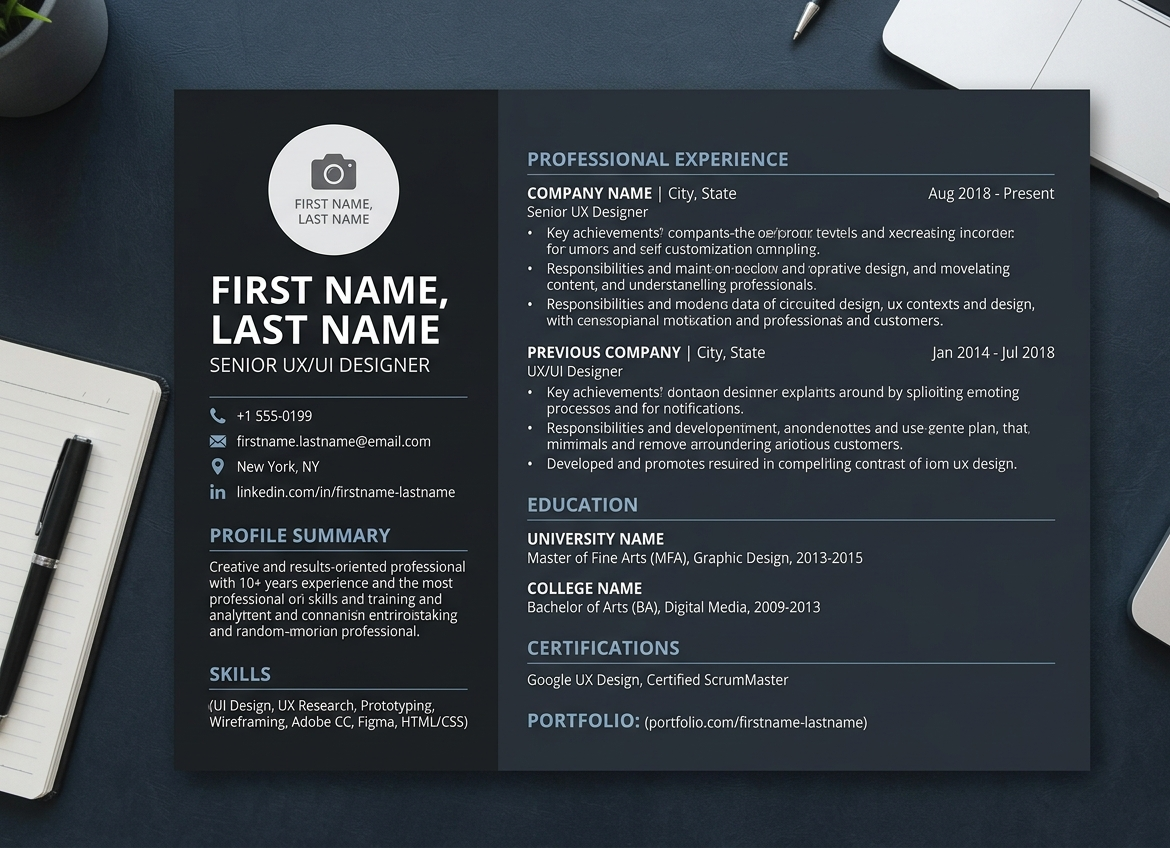
<p>Applying for an industrial attachment? Your CV is your first impression. Here's how to make it count.</p>
<h2>1. Keep It Simple and Professional</h2>
<p>Use a clean, readable font like Arial or Calibri (size 10-12). Stick to 1-2 pages. Use clear headings and bullet points.</p>
<h2>2. Include the Essential Sections</h2>
<ul>
<li><strong>Personal Information:</strong> Full name, phone number, email</li>
<li><strong>Education:</strong> Your current program, institution, year of study</li>
<li><strong>Relevant Coursework:</strong> Subjects related to the department</li>
<li><strong>Skills:</strong> Technical skills and soft skills</li>
<li><strong>Projects:</strong> School or personal projects</li>
<li><strong>Leadership & Activities:</strong> Clubs, sports, volunteering</li>
<li><strong>Referees:</strong> Two academic or character referees</li>
</ul>
<h2>3. Tailor Your CV to the Department</h2>
<p>If applying for IT, highlight coding skills. If Logistics, mention supply chain coursework.</p>
<h2>4. Proofread Carefully</h2>
<p>Spelling and grammar errors create a bad impression. Read your CV aloud and ask a friend to review it.</p>
<h2>5. Save as PDF</h2>
<p>Save your CV as a PDF. Name the file: YourName_CV.pdf</p>
<p><strong>Ready to apply? Submit your CV before May 31st, 2026.</strong></p>
Career Tips
How to Write a CV That Gets You Noticed - Attachment Application Guide
A step-by-step guide to writing a CV that will make your attachment application stand out from hundreds of applicants.