Consumers rarely think about logistics as until it fails.
The empty supermarket shelf. The delayed medicine. The spoiled food. The online order that never arrives. The rising cost of everyday essentials. These moments may appear unrelated, but they all begin long before products reach the consumer. They begin with a supply chain that has been disrupted.
In today’s interconnected economy, poor logistics doesn’t simply delay goods it disrupts lives.
Every product people buy follows a journey from manufacturers and warehouses to transporters, distributors, retailers, and finally the customer. When one link in that chain breaks, the consequences are felt far beyond the logistics industry. Families pay more for basic necessities, businesses lose valuable time and revenue, and communities experience shortages of goods they rely on every day.
One of the most visible effects is empty shelves and price volatility. Unpredictable deliveries force retailers to source products from more expensive suppliers or wait for delayed shipments, leaving consumers with fewer choices and higher prices. For many low-income households, these increases place additional pressure on already stretched budgets.
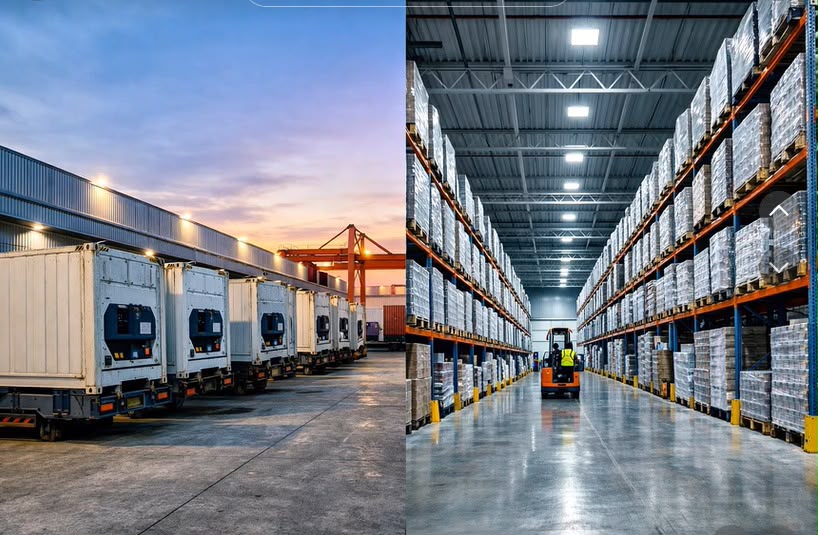
Poor logistics also affects food security. Inadequate vehicle maintenance, weak cold-chain systems, and prolonged transit times can spoil fresh produce, dairy products, and other perishables before they reach the market. Consumers not only lose access to fresh food but also face potential health risks from compromised products.
The impact extends to healthcare. Weak inventory controls, unreliable supplier performance, and poor shipment tracking can result in shortages of essential medicines. Patients are forced to travel farther, delay treatment, or pay higher prices, putting lives and public health at risk.
Businesses also suffer when deliveries arrive late or goods are damaged through poor handling and warehousing. Delayed equipment, cancelled orders, and interrupted operations reduce productivity, affecting everyone from small entrepreneurs to large manufacturers. Road crashes and poorly maintained fleets further slow the movement of goods, increasing costs that are ultimately passed on to consumers.
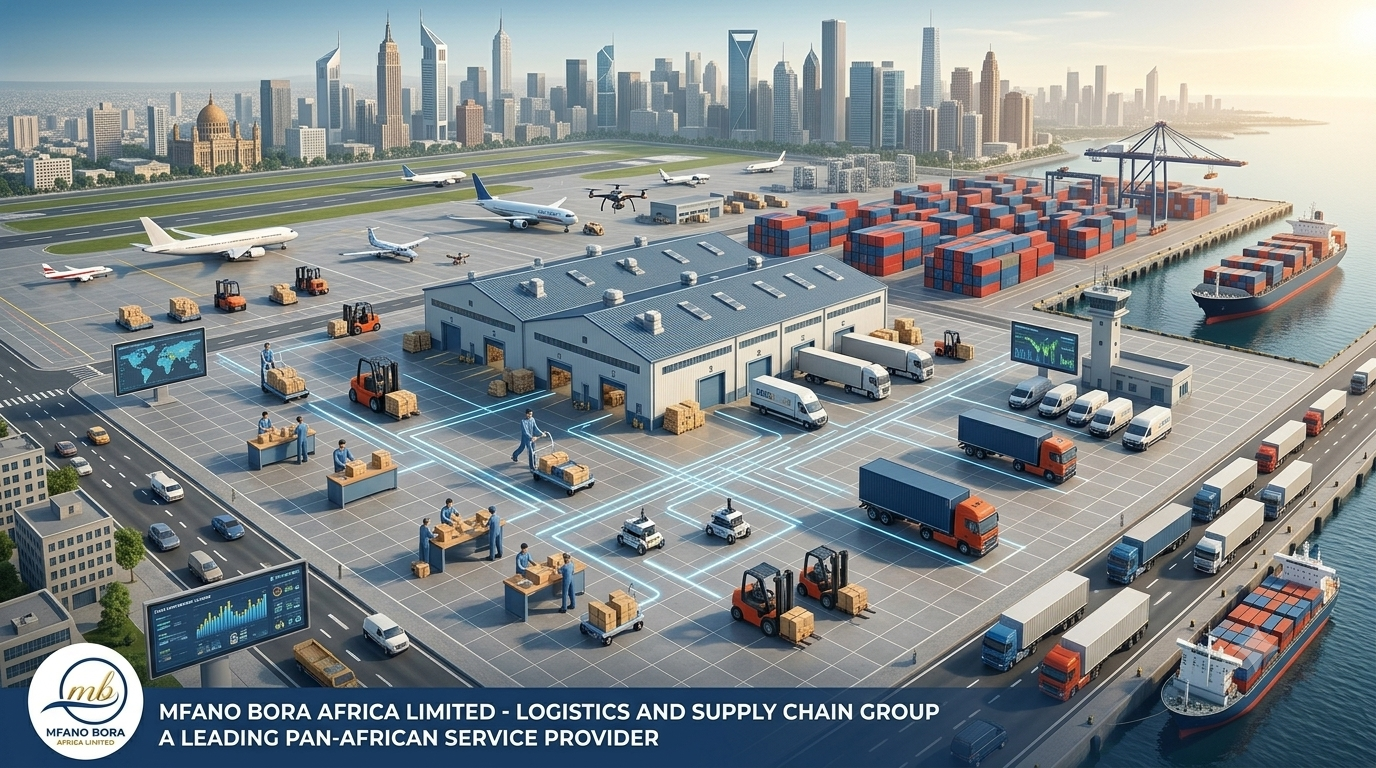
At Mfano Bora Africa Limited, these challenges are viewed as opportunities for transformation. As East Africa’s leading logistics and integrated supply chain management consulting firm, the company helps organizations analyse, streamline, and integrate every stage of the supply chain from planning and sourcing to distribution and customer service. Through route optimisation, real-time shipment visibility, systems integration, inventory management, and data-driven decision-making, businesses can improve efficiency while delivering better outcomes for consumers.
The company also recognises that safe roads are essential to reliable logistics. Through its Road Safety Education programme, which supports more than 500 Road Safety Clubs across the region, Mfano Bora Africa Limited promotes safer driving practices, vehicle roadworthiness, and transport safety to reduce disruptions caused by road incidents.
Beyond consultancy, the company invests in people. Through professional training, internships, and industrial attachment programmes, it equips students and young professionals with practical skills that strengthen the future of the logistics industry. Its commitment to excellence is further reflected in the East Africa Transport, Logistics & Road Safety Awards, which have recognised innovation and outstanding performance across the region for the past 24 years.
Driven by its mission to help partners succeed through unparalleled expertise, technological agility, and continuous innovation, and guided by a vision of becoming Africa’s leading logistics consultant, Mfano Bora Africa Limited continues to build supply chains that are smarter, safer, and more sustainable.
Because when logistics works seamlessly, consumers hardly notice. But when it fails, everyone pays the price.